Wound and pressure sore care at home: what the family needs to know
Wound and pressure sore care at home requires attention, consistency, and proper guidance. A wound can be surgical, traumatic, or chronic, whereas pressure sores (also known as pressure ulcers) typically appear in individuals with reduced mobility who spend long hours in bed or in a chair. For the family, the most important thing is not to dismiss a wound as simple without an assessment and to avoid improvising with materials or practices that have not been recommended by healthcare professionals.
Pressure sores, commonly referred to as pressure ulcers, develop when skin and tissue are compressed for a long time, particularly over bony prominences such as the sacrum, heels, hips, and elbows. The risk increases when the patient cannot change positions independently, has poor nutrition or hydration, suffers from incontinence, has fragile skin, or has co-existing medical conditions. Prevention is just as critical as treatment, as a pressure sore can deteriorate rapidly if not managed correctly.
The family should inspect the skin daily, especially at pressure points. Redness that does not fade, changes in colour, local warmth, swelling, blisters, an open wound, fluid discharge, or an unpleasant odour are signs that require evaluation. In addition, caution is needed if the patient reports pain or tenderness, or if, due to a neurological condition, they lack sensation in the area. In individuals with diabetes or circulatory problems, even minor wounds may require closer monitoring.
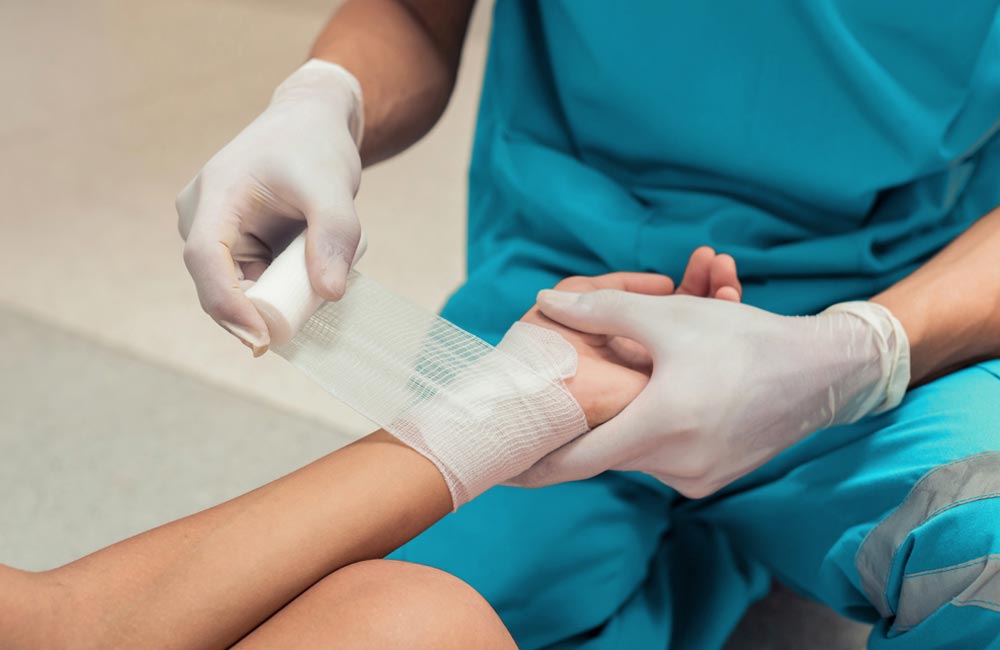
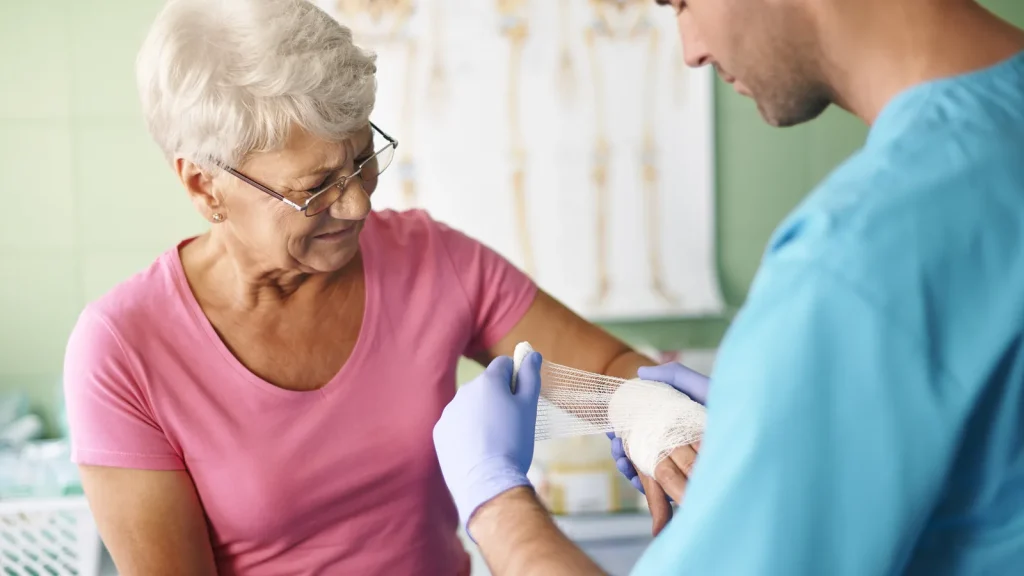
Cleanliness and hygiene are fundamental, but they are not sufficient on their own. Dressing changes must be performed according to the doctor's or nurse's instructions, using clean hands, appropriate materials, and taking care to avoid contamination. It is incorrect to apply random ointments, antiseptics, or home remedies without instruction, as they can irritate the wound or delay healing. If there is bleeding, worsening condition, fever, increasing pain, or signs of infection, immediate contact with a doctor is necessary.
For pressure sores, relieving pressure is vital. This may include scheduled position changes, proper support with pillows, paying attention to the heels, and using suitable support surfaces when recommended. Pressure-relief mattresses and cushions can assist in managing pressure, but they do not replace assessment, repositioning, hygiene, nutrition, and monitoring. No product should be presented as a guaranteed prevention or cure.
The family provides significant help by keeping notes: when the dressing was changed, how the wound looks, if there is pain, and whether the patient's mobility or appetite has changed. This information helps the healthcare professional evaluate progress. Home care can be safe when carried out with a clear plan, proper materials, and communication with the treating doctor. The goal is not for the family to assume the role of a nurse, but to participate correctly, recognise danger signs early, and seek help when needed.
The family can also keep a simple observation log without attempting to diagnose. Useful information includes the date of the dressing change, whether there is pain, if the skin around the wound appears redder, if there is an odour or increased discharge, and if the patient has a fever or general deterioration. These details help the healthcare professional assess progress more accurately. Hand hygiene, using materials in accordance with instructions, and avoiding pressure on the same area are core principles. When a wound does not improve, changes in appearance, or causes more pain, re-evaluation must not be delayed.