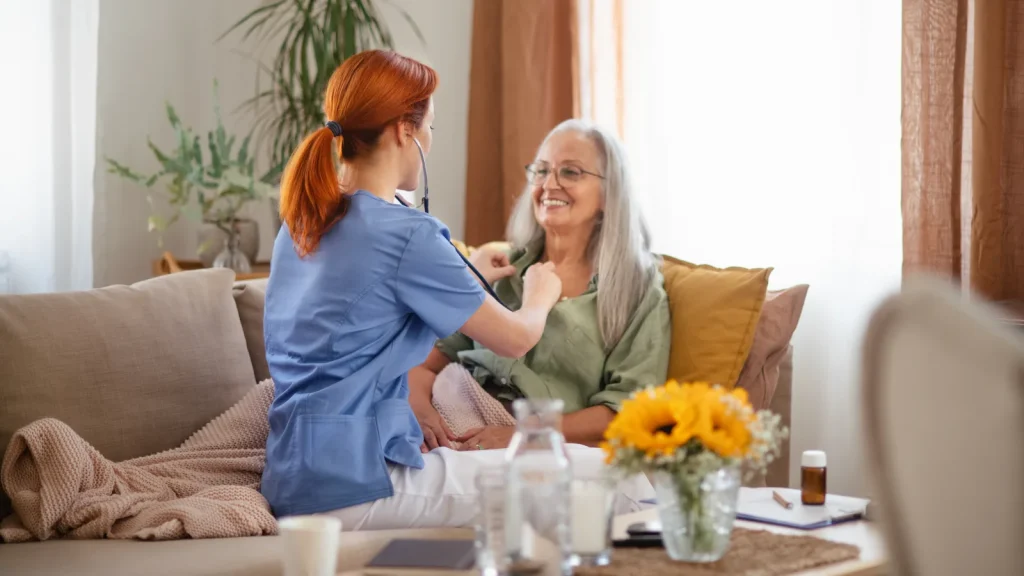
When is home nursing care required?
Home nursing care is not only for very severe cases. It is often required when a patient is able to stay at home but needs organised, safe, and professional support for care duties that should not be carried out without proper guidance or preparation. For many families, the difficulty lies in understanding when help from relatives is no longer sufficient and when it is appropriate to involve a nurse.
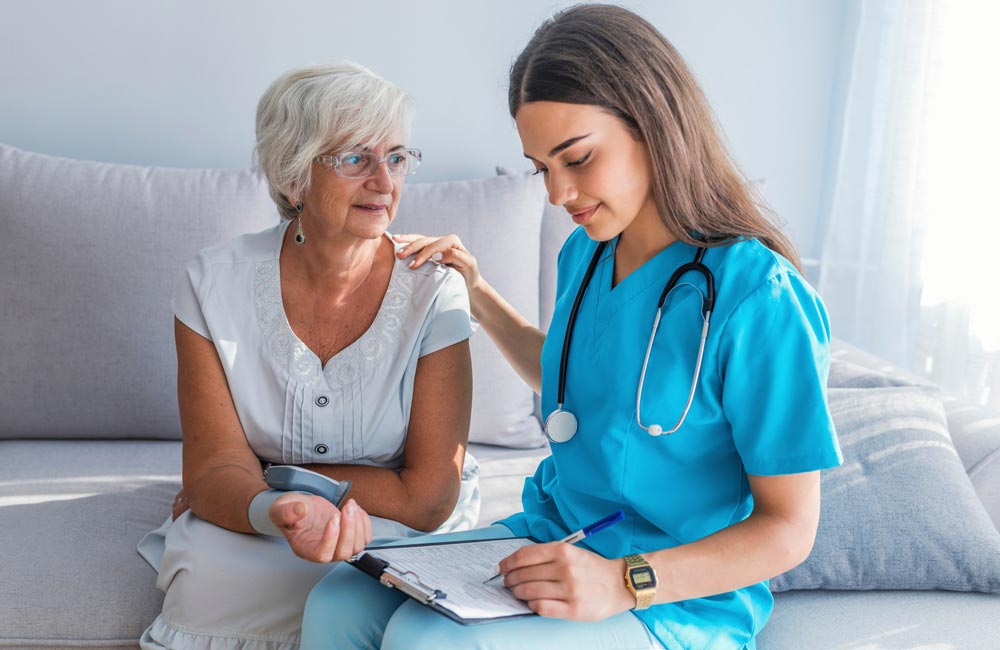
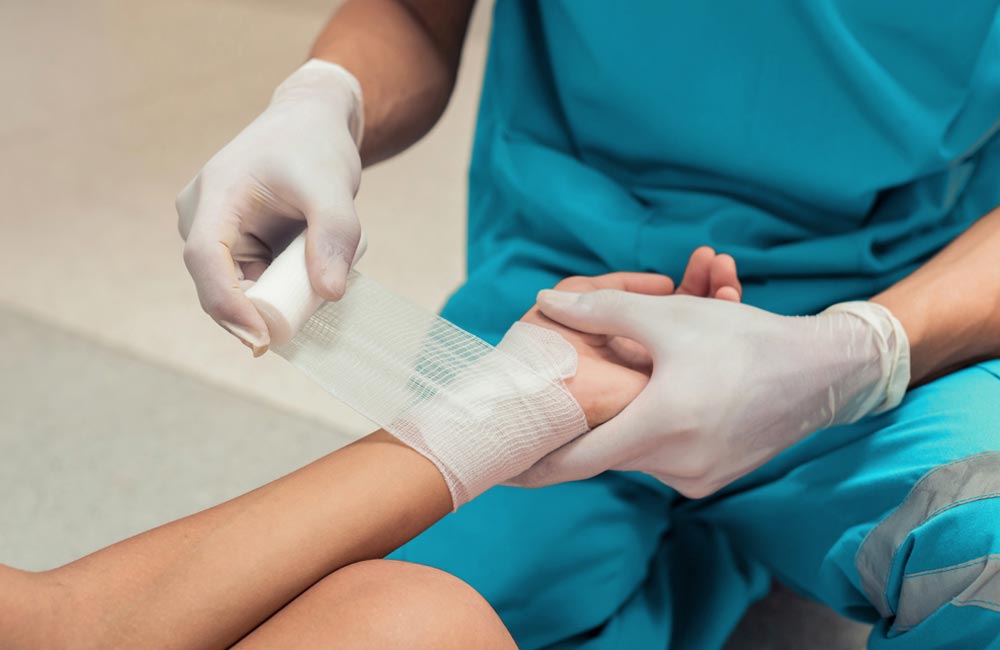
A common example is the period following hospitalisation, surgery, or a stay in a rehabilitation centre. The patient may have returned home but requires wound dressing changes, vital signs monitoring, medication assistance, catheter care, or family training in basic care practices. In these situations, home care supports the treating doctor’s instructions and helps the family follow the care plan more accurately.
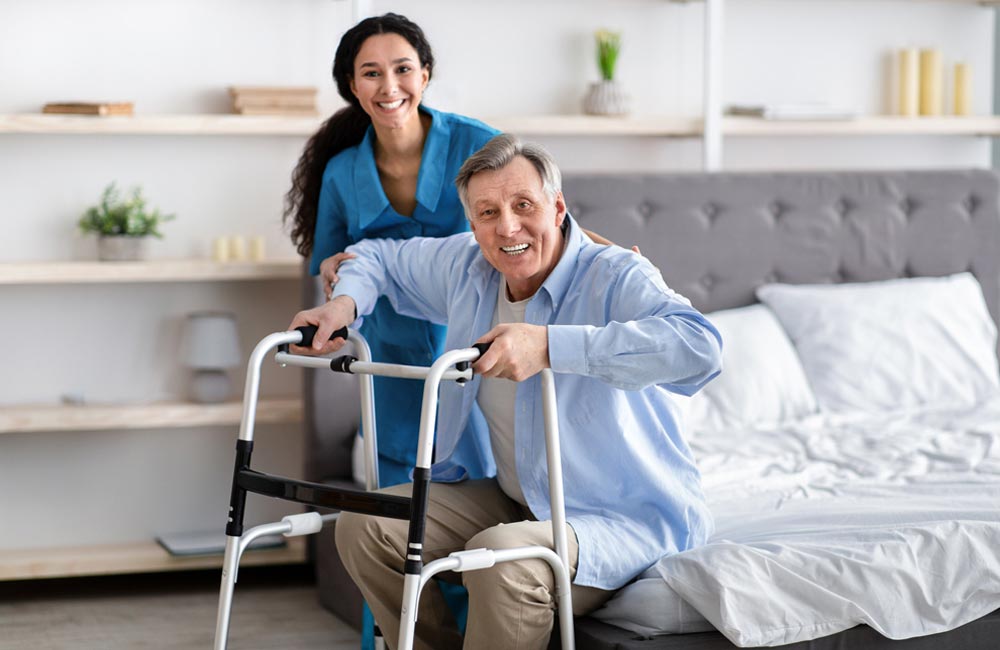
Home nursing care may also be needed for the elderly or individuals with chronic illnesses who struggle with daily living. Personal hygiene, bathing in bed or in the bathroom, transferring from bed to chair, preventing skin irritation, and monitoring changes in the patient’s condition are factors that directly affect comfort and safety at home. This does not mean the family cannot cope; it simply means that certain needs require time, technique, and experience.
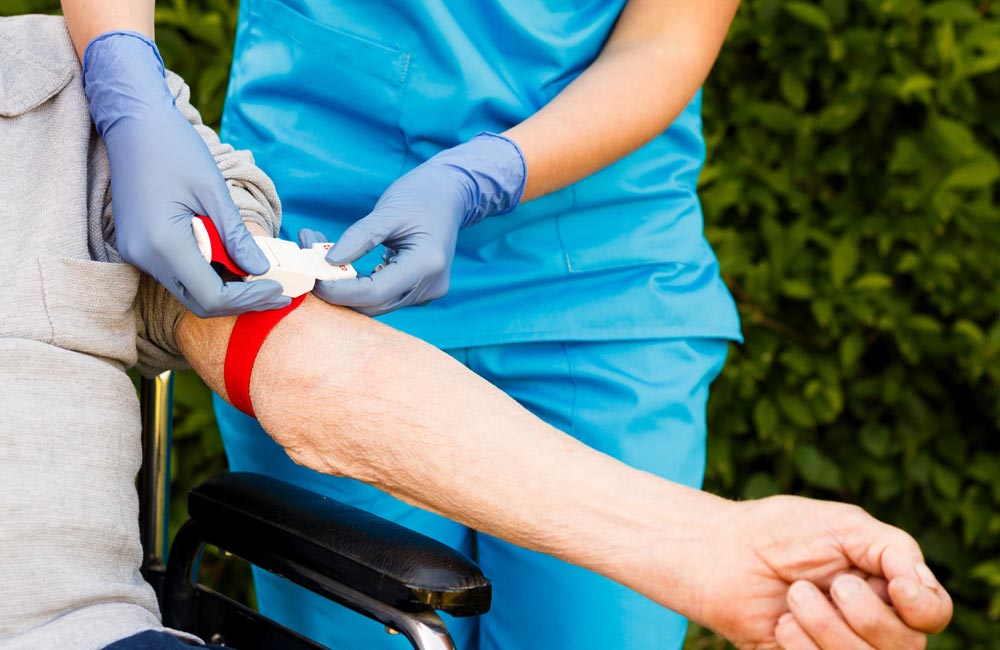
Particular attention is required when there are wounds, pressure sores, urinary catheters, stomas, or a need for injectable medication or intravenous fluids, always in accordance with medical instructions. These procedures have strict hygiene, monitoring, and safety rules. If fever, severe pain, bleeding, changes in breathing, confusion, sudden weakness, or a deterioration in the patient’s general condition is observed, the family must contact a doctor or emergency services immediately.
Proper home nursing care begins with an assessment of needs. What has the doctor requested? How mobile is the patient? Is there a fall risk? Is assistance needed only for a single procedure or for daily monitoring? Can the family participate safely? The answers help organise a practical plan, without exaggeration and without overlooking anything important.
For the family, the greatest benefit is guidance. When there is a professional who monitors, explains, and collaborates with the treating doctor, uncertainty is reduced. The home remains a familiar environment, but care is delivered in a more organised manner. It is not a solution for every case, and it does not replace the hospital when hospitalisation is necessary. However, it is an essential form of support when the patient can be cared for at home with safety, dignity, and consistency in line with medical instructions.
A practical way of thinking is for the family to notice whether daily care has become more complex than they can safely manage. If there are frequent changes in medications, a need for measurements, wound care, difficulty in mobilisation, or fear of falls, organised home support can reduce uncertainty. It does not replace the doctor and does not modify the treatment plan on its own. However, it helps implement instructions, monitor the patient’s status, and provide timely updates when something appears to change. For the carer, this means fewer improvisations and a clearer picture of what needs to be done each day.