Dehydration in summer and care at home: what to look out for
Dehydration in summer can develop gradually, particularly in older people, patients with chronic illnesses, or individuals who spend long hours in hot environments. It is not simply about a lack of water. When the body loses more fluids than it takes in, blood pressure, kidney function, energy levels, concentration, and the person's general status can be affected. For a family caring for a patient at home, prevention and early recognition are very important.
The initial signs can be mild: dry mouth, thirst, headache, fatigue, dizziness, less or darker urine, dry skin, or a reduced appetite. In older people, however, thirst is not always a reliable sign. Someone may not ask for water, may forget to drink, or may avoid fluids because they have difficulty getting to the toilet. This makes daily monitoring even more critical.
The family can help by establishing a simple routine: small amounts of fluids throughout the day, water placed near the bed or armchair, cool meals such as fruit or soups when permitted, light clothing, and a cool space. If there are medical restrictions on fluids, for instance, due to heart or kidney disease, the treating doctor's instructions must be followed carefully. It is incorrect to abruptly increase fluid intake without medical guidance in patients with such conditions.
Special attention is required when there is a fever, diarrhoea, vomiting, heavy sweating, or a reduced intake of food and fluids. In these cases, dehydration can progress more rapidly. Furthermore, medications such as diuretics or certain antihypertensives can affect fluid balance. The family must not discontinue or alter medications on their own but should inform the doctor if they observe changes.
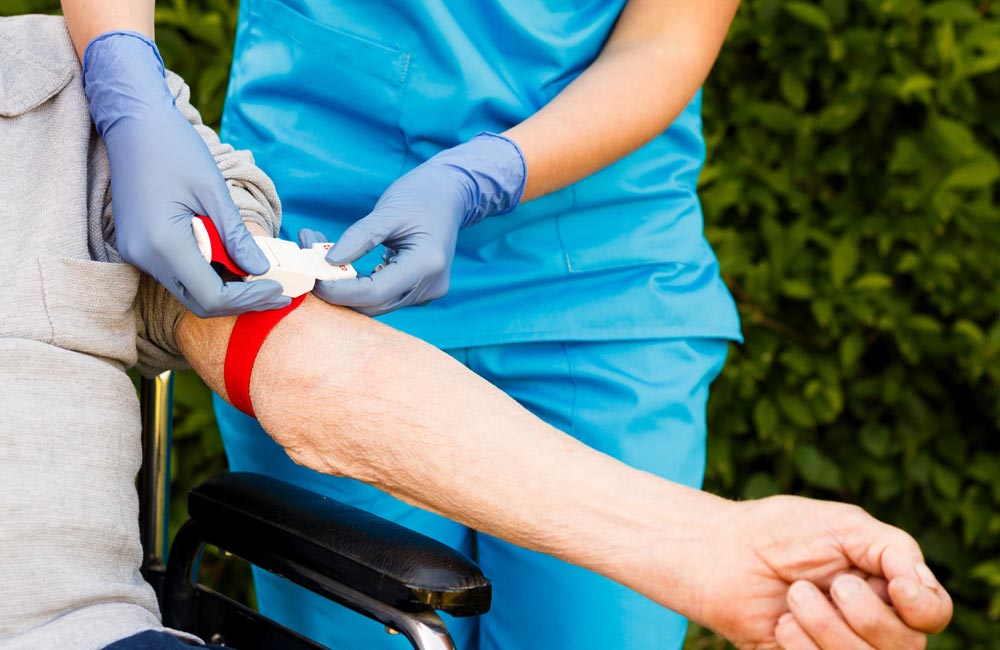
Home care can be useful when the patient cannot manage their own hydration, when monitoring of vital signs is required, or when the family needs guidance on what is normal and what is not. In some instances, the doctor may instruct more specialised support, such as intravenous fluid administration or other nursing actions. This must only be performed under medical instructions and by appropriately trained personnel.
An immediate medical assessment is required if there is confusion, fainting, severe weakness, severely reduced urination, inability to take in fluids, persistent vomiting, or a significant deterioration in the patient's condition. Dehydration should not be treated lightly, especially in vulnerable patients. With proper monitoring, calm organisation, and cooperation with the doctor, the family can reduce the risk and provide safer summer care at home.
In practice, preventing dehydration requires a schedule rather than just a reminder when the patient feels thirsty. Small amounts of fluids throughout the day, foods with high water content when permitted, and monitoring urination can help. At the same time, not all patients are candidates for increased fluid intake without instructions, especially when there are cardiac or renal problems. For this reason, general guidelines must be adjusted by the treating doctor. If vomiting, diarrhoea, fever, severe drowsiness, confusion, or severely reduced urine occurs, the family must seek immediate medical advice. Home care primarily helps with monitoring, consistency, and early recognition of changes.