Returning home after hospitalisation: a practical guide for the family
A patient's return home after hospitalisation is an important milestone, but it is often accompanied by anxiety for the family. The home can offer peace, a familiar environment, and better psychological support, but care requires organisation, clear instructions, and communication with healthcare professionals.
Before the patient leaves the hospital, it is advisable for the family to request written discharge instructions. These must include medication details, dosage, administration times, potential side effects, and what to do if a dose is missed. It also needs to be clear which doctor is supervising the patient, when a follow-up appointment is scheduled, and what symptoms are considered warning signs.
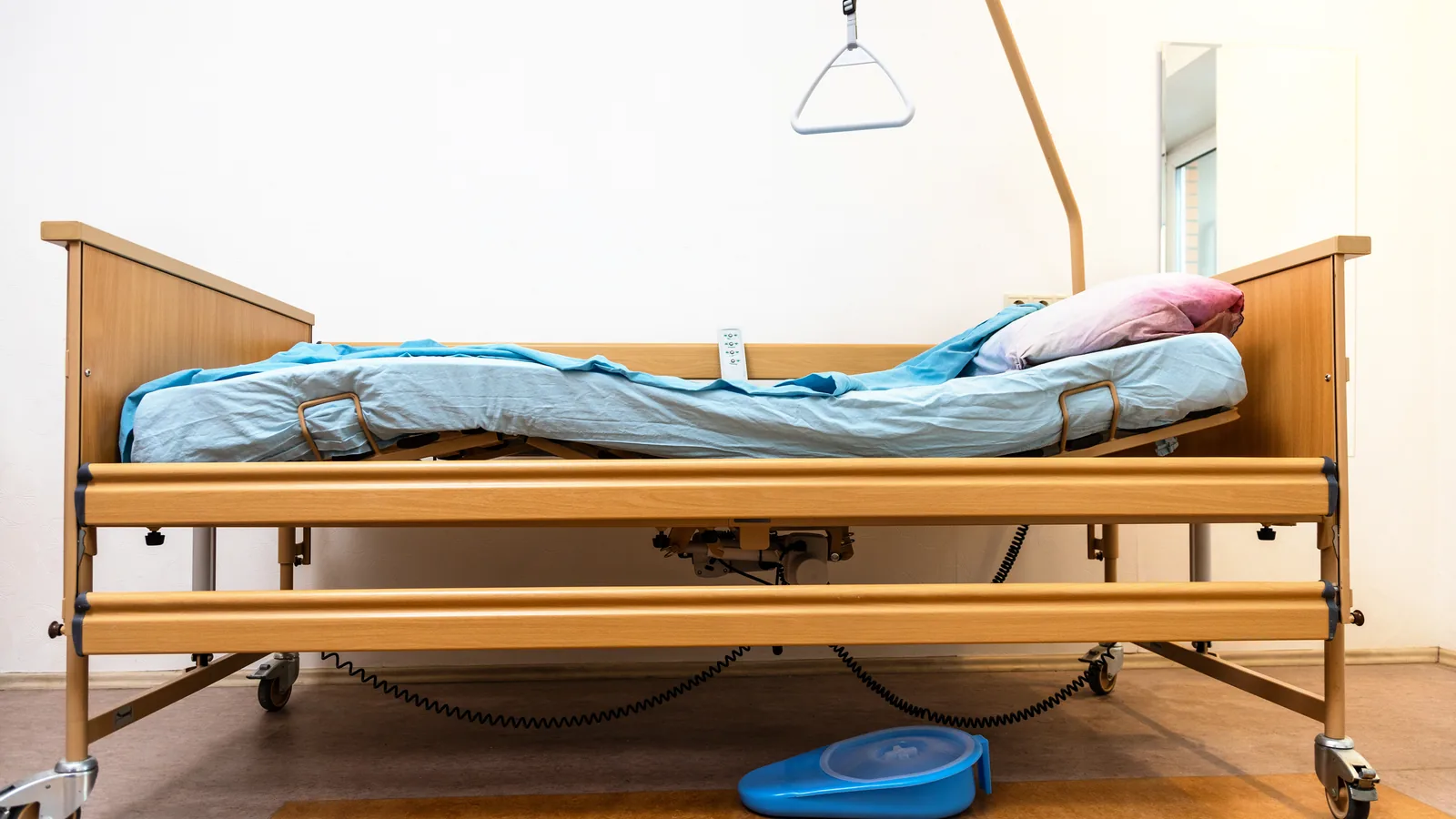
A second key point is the preparation of the space. The room must be clean, easily accessible, and free of obstacles that increase the risk of falls. If the patient has reduced mobility, the family may need to consider aids such as a rehabilitation bed, a wheelchair, a walking aid, or an appropriate mattress. Equipment selection should be based on the patient's actual condition and, where necessary, guided by a healthcare professional.
Daily care is not only a matter of cleanliness or medications. It includes observing the general status: energy levels, appetite, hydration, pain, breathing, urination, skin condition, and changes in mood or confusion. Small changes can be significant, especially in older people or patients with chronic illnesses.
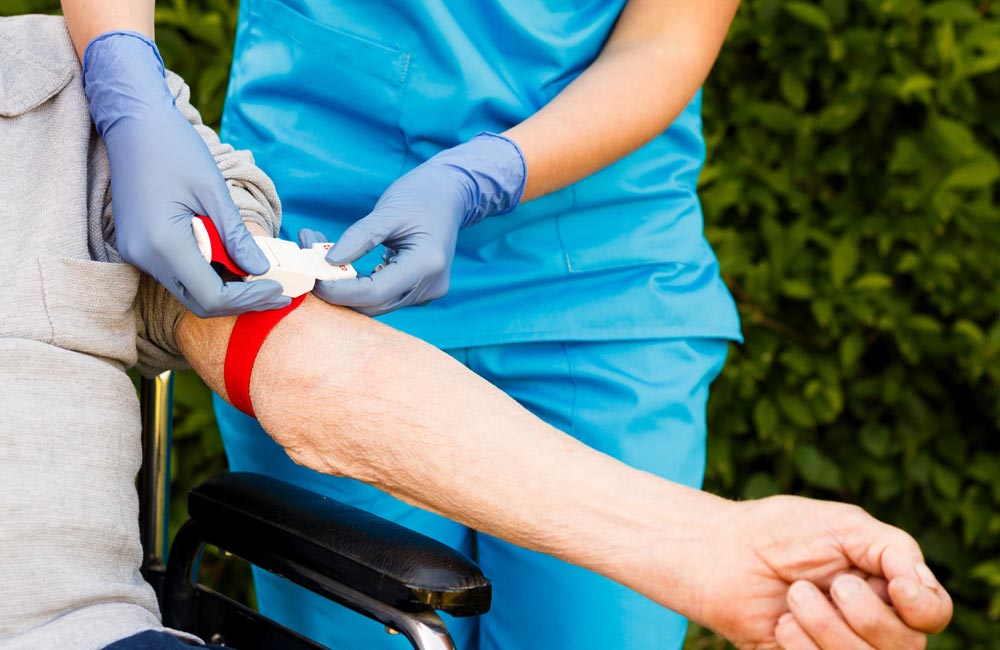
The family should not feel they need to undertake everything on their own. In some cases, home nursing support can assist with vital signs monitoring, wound care, personal hygiene, instructions for safe movement, or communication with the treating doctor when needed. This does not replace the doctor and does not guarantee that complications will not arise, but it can offer more organised care at home.
It is also useful to maintain a simple care log. Medications, temperature, blood pressure, blood sugar if monitored, meals, fluid intake, and any symptoms can be recorded in it. Thus, when the family speaks to a doctor or nurse, the information is more accurate.
Returning home is a process, not just a single day. With correct preparation, realistic expectations, and timely search for help when needed, the family can support the patient with greater safety and less uncertainty.
The first few days after discharge are often the most demanding because the family must translate hospital instructions into daily home routines. It is useful to have written records of medications, appointments, movement restrictions, instructions for wounds or catheters, and the indicators that require immediate contact with a doctor. The home may need minor modifications before the patient returns: a clear pathway without obstacles, a stable bed position, access to the toilet, and safe lighting at night. When care involves multiple tasks throughout the day, professional support helps organise a clearer schedule, without overburdening the primary carer.
A simple list of daily tasks can reduce errors: medication times, position changes, meals, fluids, hygiene, measurements, and observations to be reported to the doctor. The clearer the schedule, the more easily all family members can cooperate.