Older people and heatwaves: when the family should seek support
A heatwave is not just a difficult period of the summer. For many older people, especially when there are chronic illnesses, reduced mobility, or difficulty with self-care, high temperatures can rapidly put a strain on the body. The family often tries to help in practical ways, but there are times when simple supervision is not enough and more organised support is needed at home.
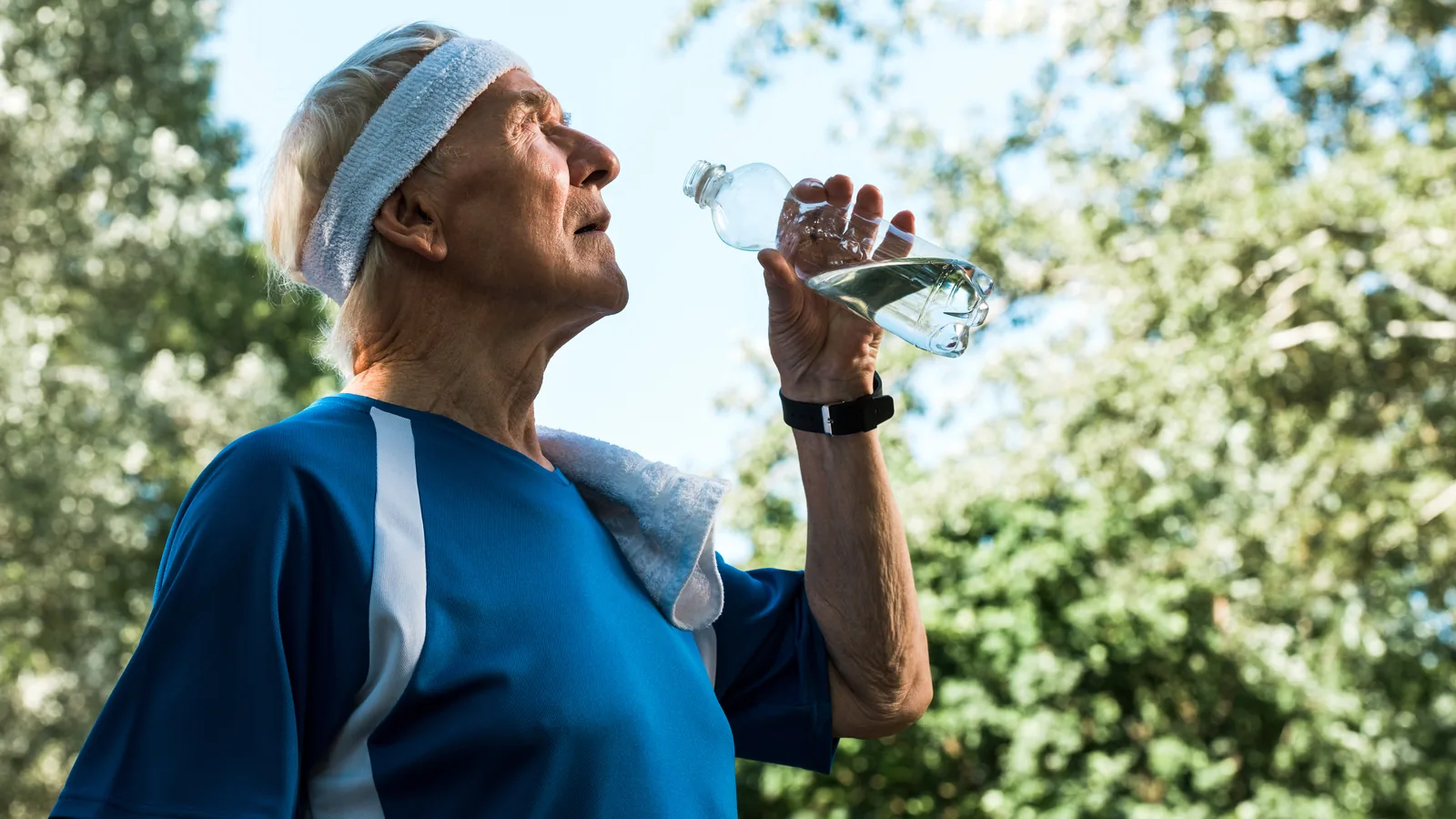
Older people may not always perceive heat or thirst in a timely manner. Certain medications, cardiac conditions, kidney disease, diabetes, or neurological issues can affect the body's ability to regulate its temperature and fluids. For this reason, on heatwave days, the family needs to monitor not only whether the person is drinking water, but also their general condition: energy levels, orientation, urination, appetite, breathing, and behaviour.
Signs that require attention include severe weakness, dizziness, unusual drowsiness, confusion, headache, nausea, muscle cramps, rapid heart rate, very hot skin, or reduced urination. If an older person has difficulty standing up, going to the bathroom, changing clothes, cooling down, or drinking fluids without help, the family should not wait for the situation to deteriorate before seeking support.
Immediate medical attention is essential if there is confusion, fainting, severe shortness of breath, chest pain, very high body temperature, persistent vomiting, or any sudden change in the person's condition. In these cases, home support is not a substitute for emergency medical evaluation. It can, however, act preventatively and supportively when the family finds that daily care is becoming difficult to manage.
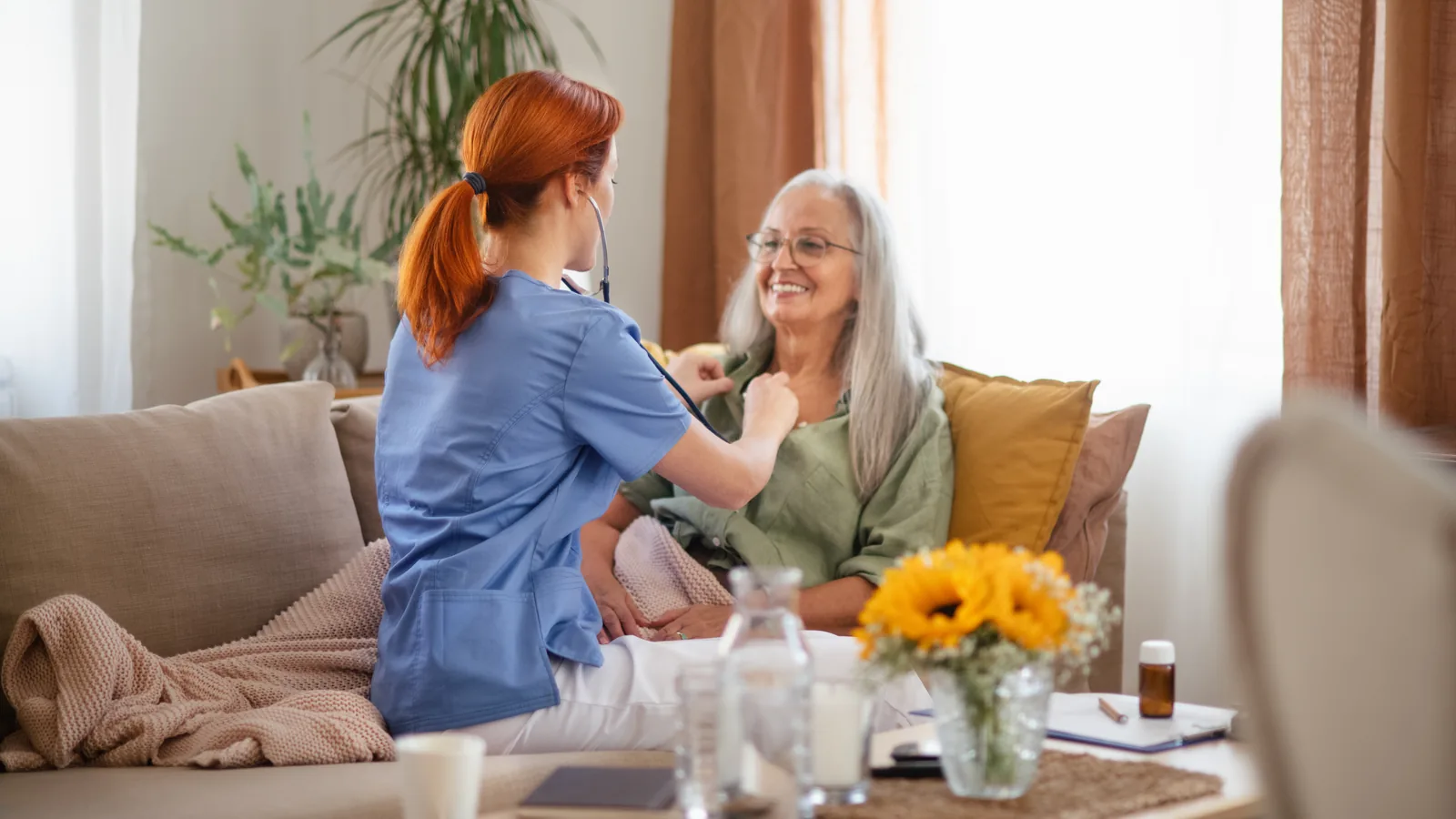
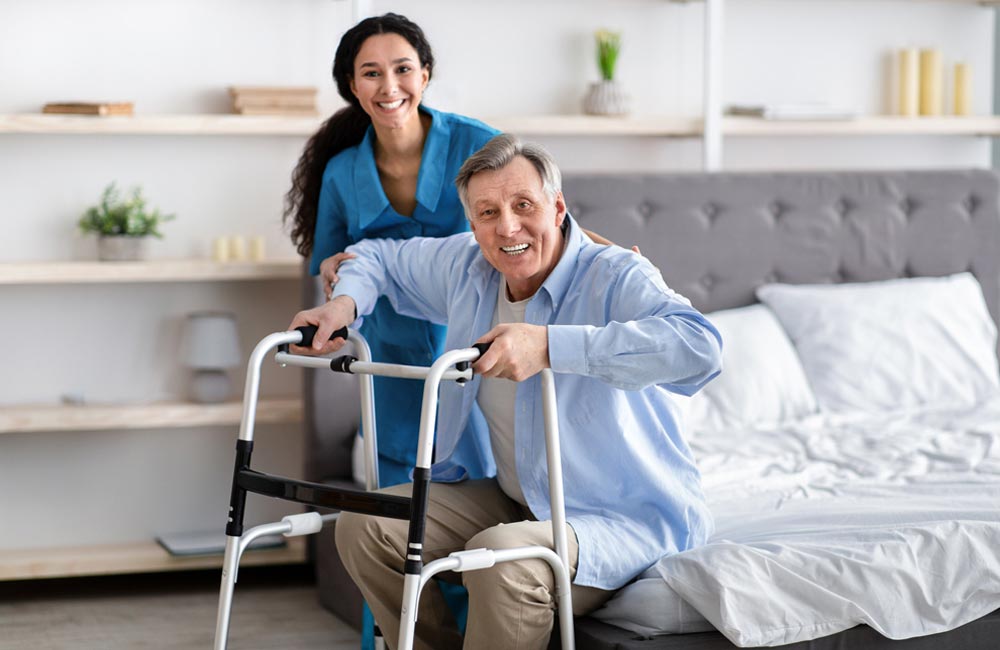
Organised home care can include monitoring vital signs, reminding and recording fluid intake, helping with personal hygiene, changing clothes, safe movement around the home, and communication with the treating doctor when necessary. Especially for older people living alone, individuals post-hospitalisation, or patients with limited mobility, the presence of trained staff can reduce family anxiety and provide a more stable picture of the daily situation.
In practice, the family can request support when the needs exceed what they can safely cover: when continuous supervision is required, when there are repeated episodes of weakness or dehydration, when the older person does not easily cooperate with fluid intake, or when care requires nursing judgment. The goal is not to replace the family, but to establish a safer care framework, with respect, calm, and correct guidance.
Prevention during a heatwave starts before severe symptoms appear. The family can arrange a cool space, light clothing, regular fluid intake if medically permitted, and avoid travel during the hottest hours. However, special attention is needed when the older person lives alone, forgets to drink water, has a reduced sensation of thirst, or takes medications that may affect fluid balance. If confusion, severe weakness, dizziness, a tendency to faint, very high body temperature, or worsening breathing occurs, an immediate medical assessment is required. Home support can assist with monitoring and implementing practical instructions, without replacing emergency care.
On a practical level, it helps to have a daily check-in during hot days, especially if the older person lives alone. The frequency of communication, access to a cool space, and timely updates to relatives or healthcare professionals can make care more organised.