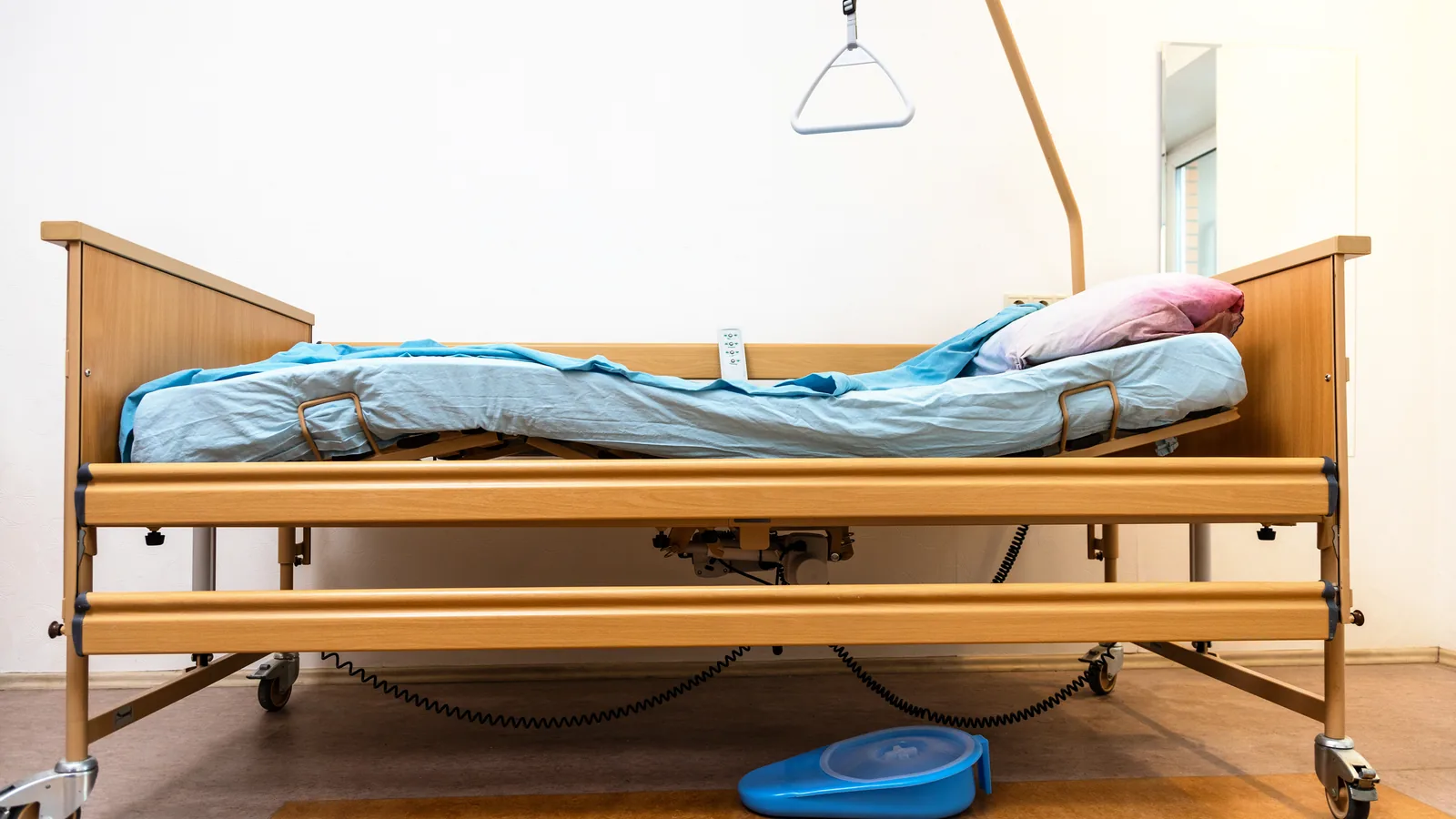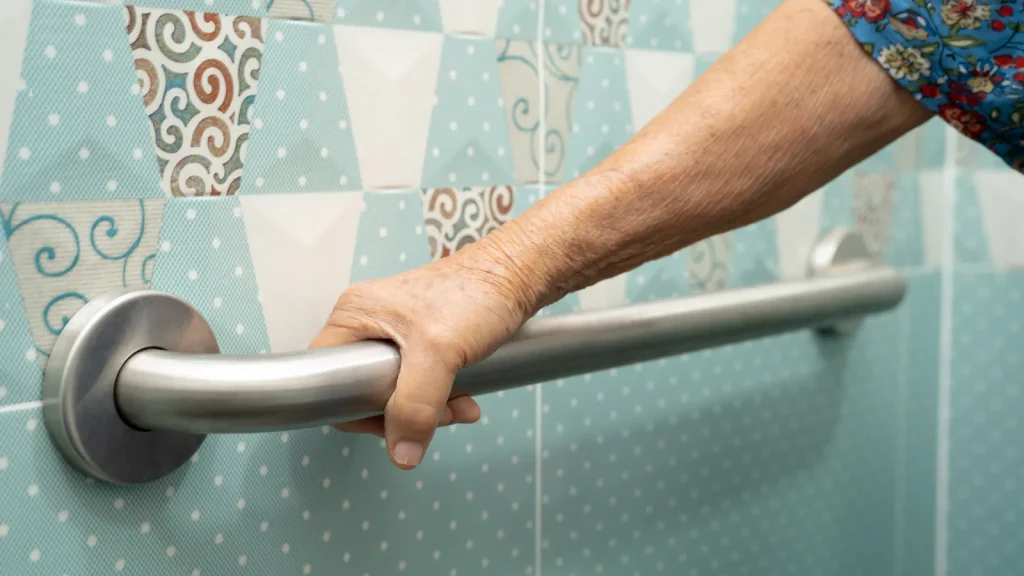
Bathroom and toilet aids: greater safety for patients and older people
The bathroom and toilet are two areas where an older person or a patient can feel particularly insecure. Wet floors, transfers from sitting to standing, reduced balance, and the need for privacy create conditions that require care. For the family, the goal is not only to provide practical help, but to reduce the risk of falls and preserve the individual's dignity as much as possible.
Bathroom and toilet aids are not a luxury. In many cases, they are part of a safer daily routine. A stable shower seat, a bath chair, a grab rail, a raised toilet seat, or a commode can reduce the need for sudden movements and make care more controlled. However, the correct choice must be based on the individual's needs and the home space, not simply on the most well-known product.
The family must first observe where the patient experiences difficulty. Do they struggle to get in and out of the bath? Do they tire when standing upright? Do they need support to sit down or stand up from the toilet? Is there a history of falls? Is there dizziness, weakness, pain, or impaired vision? The answers help determine whether a seat, a grab rail, a non-slip surface, a transfer chair, or a combination of solutions is needed.
Safety depends not only on the aid itself, but also on its correct installation and use. A grab rail that is not securely installed can give a false sense of security. A seat that does not match the height or the space can make movement more difficult. A mat that slips or collects water can become dangerous. Therefore, a practical assessment of the bathroom is needed: lighting, obstacles, access, toilet height, floor stability, and the capacity for assistance from an escort.
In patients with reduced mobility, post-surgery, with neurological difficulties, or with severe weakness, a combination of equipment and human support may be required. Home care can assist with personal hygiene and bathing with respect and care, while the appropriate aids can make the process more stable for the patient and more ergonomic for the carer.
Before purchasing or renting equipment, it is advisable for the family to seek guidance. The choice must consider the patient's weight, height, arm strength, balance, capacity for cooperation, and the dimensions of the bathroom. There is no single solution for everyone. However, proper assessment, calm adjustment of the space, and selection of aids that support daily life can prevent unnecessary purchases or exaggeration.
The choice of aids must be connected to the actual way the person moves in the bathroom. Someone who stands with difficulty for a few minutes has different needs from someone who requires full assistance with transfers. Bath chairs, raised toilet seats, grab handles, or non-slip solutions can reduce effort, but they must be installed correctly and checked for stability. The family is advised to avoid temporary makeshifts, such as unstable chairs or support points not designed to bear body weight. The goal is for the patient to move with greater safety and dignity, while the carer is not forced to lift weight in a hazardous manner.