Home care beds: when they help the family and when to consider rental
A home care bed is a piece of equipment that is often discussed when a patient has difficulty standing up, lying down, repositioning, or being cared for safely. It is not necessary for every individual recovering at home. However, it can provide significant assistance in cases of reduced mobility, long-term bed rest, elderly care, or when carers and family members require more ergonomic support.
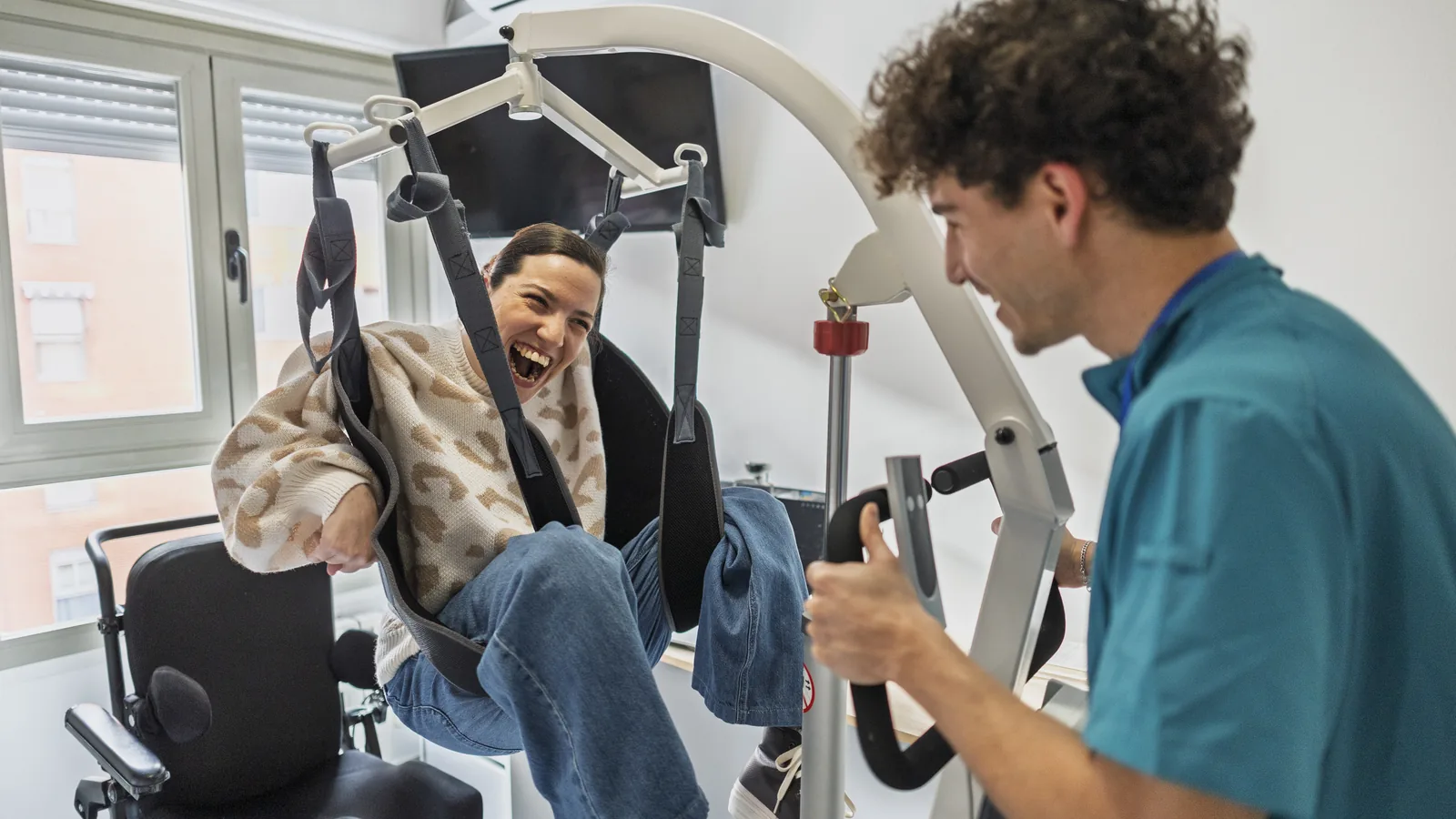
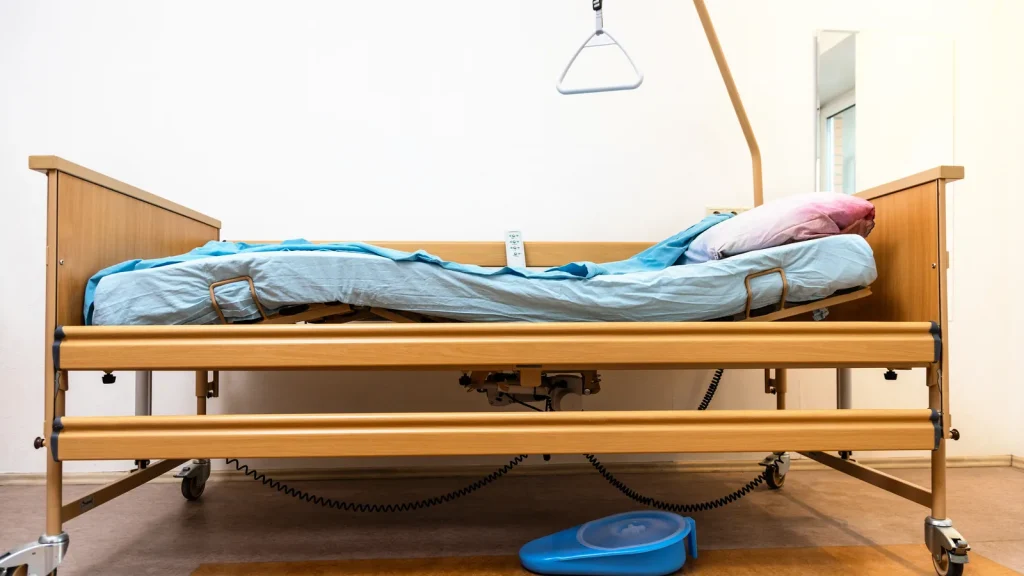
A key advantage is adjustability. Many home care beds allow the head, legs, or overall height of the bed to be adjusted. This can facilitate daily care, repositioning, personal hygiene, changing sheets, and transferring the patient from the bed to a chair or wheelchair. For the carer, the height adjustment feature can reduce back strain, particularly when care is frequent or demanding.
The bed can be useful when the patient spends many hours lying down, is at an increased risk of pressure sores, or requires a more stable care environment. Nonetheless, the bed alone does not prevent or treat pressure sores. Prevention relies on a comprehensive plan: position changes, skin assessments, proper nutrition and hydration, cleanliness, a suitable mattress when required, and monitoring by a healthcare professional. Especially for patients with existing wounds, the type of mattress and frequency of position changes must be decided under clinical guidance.
Safety is also important. Side rails can be helpful in certain situations, for instance, as support during position changes or to provide a sense of security. However, they are not suitable for everyone and must not be used as a substitute for supervision or as a constraint. For individuals with confusion, severe anxiety, or uncontrolled movements, a careful assessment of the risk of entrapment or falls is required. Choosing a bed should take into account the patient's weight, mobility, cognitive status, room size, and the method of care.
Rental is worth considering when the need is temporary. For example, after surgery, a fracture, a rehabilitation period, or a temporary decline in mobility, the family may not need to purchase permanent equipment. Rental allows time to see if the equipment suits the actual needs of the patient and the home layout. It can also be practical when the duration of use is uncertain or when a quick solution with a return option is needed.
Purchasing can be considered when the need is long-term, when the patient will require daily support for an extended period, or when the family knows that the bed will remain a permanent part of care. Before making any decision, it is useful to check the dimensions of the space, access to the room, electrical socket locations, user weight, a suitable mattress, and ease of cleaning. The correct choice is not necessarily the most complex or expensive model, but the one that safely fits the needs of the patient, the family, and the care plan.
Before a decision is made, the space where the bed will be placed should be evaluated. Access is needed around the bed, along with space for the carer to move, a nearby socket if the bed is electric, and a safe pathway to the bathroom or wheelchair. It is also important to discuss the expected duration of the need. If recovery is expected to be temporary, rental can be a practical solution for the required period. If the need is long-term, the family may consider different criteria. In any case, a bed is not a treatment in itself. It supports care when combined with correct mobilisation, skin protection, and guidance from healthcare professionals.